Source Stair Balusters for Homes, Gardens, and Commercial Spaces
Explore 30 options for stair balusters, including iron, aluminum, and stainless steel designs. Compare European, modern, and classic styles for indoor and outdoor applications. View specifications for satin black and matt black finishes to find the right fit for your project.
Key considerations
Products List




Comprehensive Sourcing Guide
Stair Balusters Sourcing Guide
Procurement professionals must first distinguish between the diverse material compositions observed in the current market, ranging from Q235 steel tubes to 304/316 stainless steel and aluminum options. The observed listings indicate that while some products are explicitly labeled as solid wood or wrought iron, others utilize hollow square tubes or specific tube diameters like 1/2 inches. Buyers should verify the exact material grade against their structural requirements, as the choice between iron, steel, and aluminum significantly impacts corrosion resistance, load-bearing capacity, and long-term maintenance costs in both indoor and outdoor environments.
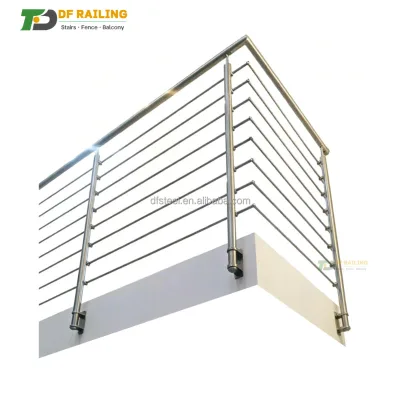
The functional scope of these components extends beyond simple stair support to include applications in garden fences, residential barriers, and highway safety systems. Listings reveal a variety of structural designs, including spiral, beam, and straight stair configurations, alongside specific installation methods such as floor mounting or bridge railing integration. Sourcing teams must align their project needs with these observed variations, ensuring that the selected balusters match the intended architectural style, whether it be European, modern, classic, or simplicity-focused, to maintain aesthetic consistency across the entire railing system.
Product Scope and Observed Listing Signals
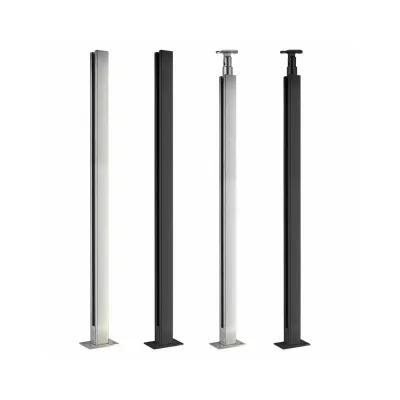
Buyers should carefully analyze the specific naming conventions and customization options available, as the market offers distinct variations like satin black iron balusters, matt black finishes, and hollow tube designs with knuckles. The presence of customization availability suggests that many suppliers can adapt dimensions or surface treatments, yet the standard offerings often include specific diameters and lengths such as 44 inches. Procurement teams must confirm whether the "customized" attribute refers to minor finish adjustments or significant dimensional changes, as this distinction affects lead times and unit pricing for large-scale orders.
Observations of product packaging and delivery terms provide critical insight into the logistical readiness of potential suppliers. The data indicates that items are typically shipped in bubble bags, cartons, or steel crates, with a standard delivery time of 30 days and trade terms like FOB or CIF. These logistical signals help buyers estimate total landed costs and plan inventory replenishment schedules. It is essential to verify if the packaging is sufficient to prevent damage during transit, especially for delicate finishes like satin black or anti-rust oil treatments, which could be compromised by inadequate protection.
Technical Specifications to Verify
Technical due diligence requires precise verification of dimensional standards, as listings show specific measurements like 1/2 inch diameters and lengths of 44 inches alongside custom size options. Buyers must confirm that the tube thickness and hollow structure meet the load requirements for their specific application, whether it is a residential staircase or a public highway fence. The distinction between solid wood, wrought iron, and stainless steel materials necessitates a clear understanding of the mechanical properties, ensuring that the selected balusters will not fail under expected stress or environmental exposure.
Surface treatment and finishing processes are equally critical for ensuring durability and aesthetic longevity in the final installation. The observed data highlights processes such as sand blasting and anti-rust oil application, which are vital for protecting iron and steel components from corrosion. Procurement teams should request detailed specifications on the coating thickness and type of anti-rust treatment to ensure compatibility with the intended environment, particularly for outdoor applications where exposure to moisture and UV radiation is constant. Verifying these details prevents premature degradation and reduces the need for costly future replacements.
Compliance and Safety Documentation
Safety compliance is paramount when sourcing stair components, as these elements are integral to preventing falls and ensuring structural integrity in high-traffic areas. While some listings mention ISO9001 certification, buyers must verify that this quality management standard extends to the specific production batches of the balusters being purchased. It is essential to confirm that the manufacturing process adheres to local building codes and safety regulations regarding railing height, spacing, and load-bearing capacity, as these requirements vary significantly by region and application type.
Documentation regarding material composition and export experience should be scrutinized to ensure transparency and reliability. The observed 10-year export experience suggests a level of market familiarity, but this should be corroborated with specific test reports or material certificates for the stainless steel or iron grades used. Buyers should demand proof that the materials meet the stated standards, such as 304/316 stainless steel specifications, to avoid receiving substandard products that could compromise safety. Without proper documentation, the risk of non-compliance with safety regulations increases significantly.
Cost Drivers and Commercial Terms
Understanding the cost drivers is essential for effective budget management, as prices in the observed range span from $0.99 to $168, influenced heavily by material type, customization, and order volume. The Minimum Order Quantity (MOQ) varies significantly, with some suppliers requiring 200 pieces while others set the bar at 500, directly impacting the unit cost and total investment. Buyers must calculate the total cost of ownership, including the impact of MOQs on inventory holding costs and the potential savings from bulk purchasing, to determine the most economical procurement strategy for their specific project scale.
Commercial terms and payment structures play a crucial role in managing cash flow and mitigating financial risk during the procurement process. The observed trade terms of FOB and CIF indicate that buyers need to account for shipping, insurance, and customs duties in their final cost calculations. It is vital to negotiate clear terms regarding delivery timelines, which are currently listed as 30 days, and to establish penalties for delays. Clear communication on these terms ensures that the project timeline remains on track and that unexpected logistical costs do not erode the initial budget savings.
Supplier Qualification and Quality Control
Supplier qualification should focus on verifying their technical capabilities and production consistency, particularly regarding the diverse range of styles and materials observed in the market. Buyers must assess whether the supplier can consistently deliver products that match the specified styles, such as European, modern, or classic designs, without compromising on the structural integrity of the balusters. The ability to handle customizations while maintaining quality standards is a key indicator of a supplier's reliability and should be validated through sample reviews or factory audits before placing large orders.
Quality control protocols must be established to ensure that the finished products meet the required specifications for surface treatment and structural strength. Given the variety of finishes like satin black and matt black, as well as materials ranging from Q235 to stainless steel, buyers should implement strict inspection criteria for color consistency, coating adhesion, and dimensional accuracy. Regular quality checks during production and pre-shipment inspections are necessary to identify and rectify any defects, ensuring that the delivered balusters are free from rust, warping, or other manufacturing flaws that could affect installation and performance.
Long-Term Procurement Checks
Long-term procurement success depends on establishing a robust relationship with suppliers who can provide consistent quality and support over time. Buyers should monitor the supplier's ability to maintain their export experience and adapt to changing market demands, ensuring that they can continue to supply the required materials and finishes for future projects. Regular performance reviews and feedback loops are essential to identify any trends in quality issues or delivery delays, allowing for proactive adjustments to the procurement strategy and supplier selection process.
Sustainability and environmental considerations are increasingly important in the selection of building materials, and buyers should verify the eco-friendly attributes of the products. The observed features, such as eco-friendly claims and anti-rust treatments, should be validated to ensure they align with the organization's sustainability goals. Procurement teams should also consider the recyclability of the materials, such as steel and aluminum, and the environmental impact of the manufacturing processes. By prioritizing sustainable sourcing, buyers can contribute to broader environmental objectives while ensuring the longevity and safety of their infrastructure projects.
FAQs
What materials are used for stair balusters?
Stair balusters are commonly crafted from Q235 steel tubes, stainless steel, or aluminum. These materials provide the necessary structural integrity for safety railings. The choice depends on whether the application is indoor or outdoor, with stainless steel offering superior corrosion resistance for exterior environments.
Can stair balusters be customized for specific projects?
Yes, customization is available for most stair baluster products. Buyers can request specific dimensions, surface colors like satin black, or unique structural designs. This flexibility allows for tailored solutions that match specific architectural styles, ensuring the final installation meets precise aesthetic and functional requirements.
What is the typical lead time for production?
The standard delivery time for stair balusters is approximately 30 days. This timeframe allows for manufacturing, quality control, and packaging preparation. Buyers should account for this lead time when planning installation schedules, especially for large orders that may require additional processing or specialized packaging.
Which certifications ensure product quality?
ISO9001 certification is a key indicator of quality management in stair baluster manufacturing. This standard ensures consistent production processes and reliable product performance. Buyers seeking verified quality should look for suppliers who hold this certification, as it reflects adherence to international quality control standards.
How are stair balusters packaged for shipping?
Stair balusters are typically packaged in bubble bags and cartons to prevent damage during transit. For larger orders, plastic bags, cartons, and steel crates may be used. This robust packaging ensures that the products arrive in pristine condition, ready for immediate installation at the destination site.
What are the common specifications for iron balusters?
Common specifications include a diameter of 1/2 inch and a length of 44 inches. Square hollow tubes are also popular for modern designs. These standard sizes fit most residential and commercial staircases, providing a reliable baseline for buyers who need quick sourcing without extensive custom measurements.